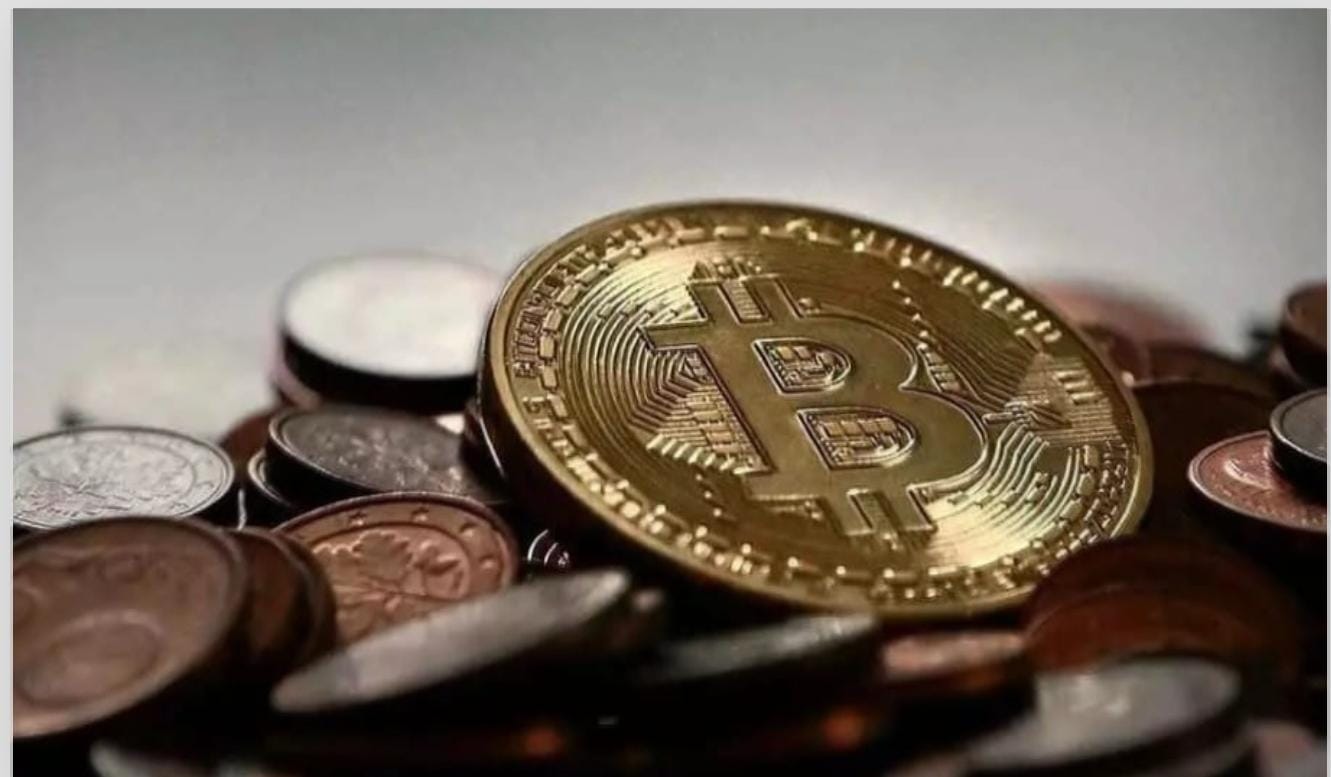
RBI highlights the growing role of stablecoins, cross-border payments, and global crypto regulation while warning about potential risks to financial stability
The Reserve Bank of India (RBI) has released its Financial Stability Report (FSR) for June 2026, offering a detailed assessment of India’s financial system amid a rapidly changing global economic landscape. While the report primarily focuses on banking stability, inflation, and global financial risks, it also dedicates attention to one of the fastest-growing areas in digital finance: crypto assets, particularly stablecoins.
Although the discussion on crypto is relatively brief, the RBI’s message is significant. Rather than issuing a blanket warning, the central bank recognizes that stablecoins are becoming increasingly integrated with the global financial system and could eventually influence monetary policy, capital flows, and financial stability if left unchecked.
Stablecoins Are Becoming Part of Mainstream Finance
One of the report’s key observations is the growing importance of stablecoins in the global financial ecosystem. Unlike traditional cryptocurrencies such as Bitcoin or Ethereum, stablecoins are digital assets designed to maintain a stable value by being backed by reserve assets, most commonly the U.S. dollar or short-term government securities.
According to the RBI, issuers of major stablecoins have become some of the largest institutional buyers of U.S. Treasury securities and other low-risk financial instruments. This means stablecoin companies are no longer operating solely within the crypto industry. Instead, they are becoming significant participants in traditional financial markets.
This increasing connection between crypto and conventional finance has drawn the attention of regulators worldwide, including India’s central bank.
Stablecoins Are Expanding Beyond Crypto Trading
The report also references research by the International Monetary Fund (IMF), which shows that cross-border stablecoin transactions have increased significantly, especially in emerging economies.
The RBI notes that stablecoins are no longer used only for cryptocurrency trading. They are increasingly being utilized for international remittances, cross-border payments, and trade settlements.
This shift suggests that stablecoins are gradually becoming part of the real economy by offering faster and potentially lower-cost international transactions.
Why Stablecoins Gain Popularity in Certain Countries
The RBI points out that demand for stablecoins tends to be higher in countries experiencing currency depreciation, high inflation, or limited access to U.S. dollar-based financial products.
When people lose confidence in their local currency, they often look for alternative stores of value. Dollar-backed stablecoins provide an easy way to hold digital dollars without opening a foreign bank account.
While this may help individuals preserve purchasing power, it also creates broader economic concerns for central banks.
Currency Substitution Remains a Major Concern
One of the strongest messages in the report relates to currency substitution, sometimes referred to as digital dollarization.
The RBI warns that if people increasingly prefer holding stablecoins instead of their domestic currency, it could weaken the effectiveness of monetary policy. Central banks rely on demand for the local currency to influence interest rates, inflation, and overall economic activity.
A growing shift toward privately issued dollar-backed digital assets could reduce the central bank’s ability to manage liquidity and maintain financial stability.
For the RBI, this is not simply a cryptocurrency issue. It is a broader macroeconomic and financial stability concern.
Global Stablecoin Regulations Are Taking Shape
The report highlights that several major economies have already introduced or are developing dedicated regulatory frameworks for stablecoins.
Among the notable developments mentioned are:
- The United States, which has introduced the GENIUS Act to regulate payment stablecoins.
- The European Union, where the Markets in Crypto-Assets (MiCA) regulation has established one of the world’s most comprehensive crypto regulatory frameworks.
- The United Kingdom, which is developing its own legal framework for stablecoins and digital payment assets.
The RBI views these developments as important milestones toward creating clearer global standards for digital assets.
International Regulators Are Increasing Oversight
Beyond national governments, several international financial organizations are working to strengthen oversight of crypto markets.
These include:
- International Organization of Securities Commissions (IOSCO)
- Financial Stability Board (FSB)
- Basel Committee on Banking Supervision (BCBS)
These organizations are developing common standards for crypto regulation, risk management, capital requirements, and financial market supervision.
The RBI’s observations closely align with these international regulatory efforts, indicating that India’s future crypto policy is likely to evolve alongside global standards.
What Does This Mean for India’s Crypto Market?
The RBI’s latest report does not signal an immediate policy shift or introduce new restrictions on cryptocurrencies. Instead, it reflects a more nuanced position.
The central bank acknowledges that digital assets, particularly stablecoins, are becoming increasingly important within the global financial system. As adoption grows, regulators will likely focus more on monitoring systemic risks, cross-border transactions, consumer protection, and financial stability rather than treating crypto as a niche market.
For Indian investors and crypto businesses, the report reinforces the expectation that future regulation will be more structured, with greater emphasis on compliance, transparency, and risk management.
Conclusion
The RBI’s Financial Stability Report 2026 sends a balanced but important message. Stablecoins are no longer viewed as isolated crypto products. Their expanding role in international payments, remittances, and traditional financial markets means they are becoming systemically relevant.
Rather than sounding an alarm, the RBI is signaling that India’s regulatory approach is evolving alongside global developments. As countries continue introducing comprehensive crypto frameworks, stablecoins are expected to remain at the center of future financial regulation.
For investors, policymakers, and the broader crypto industry, the report is a reminder that the next phase of digital asset growth will be shaped not only by technology but also by regulation, financial stability, and international cooperation.